
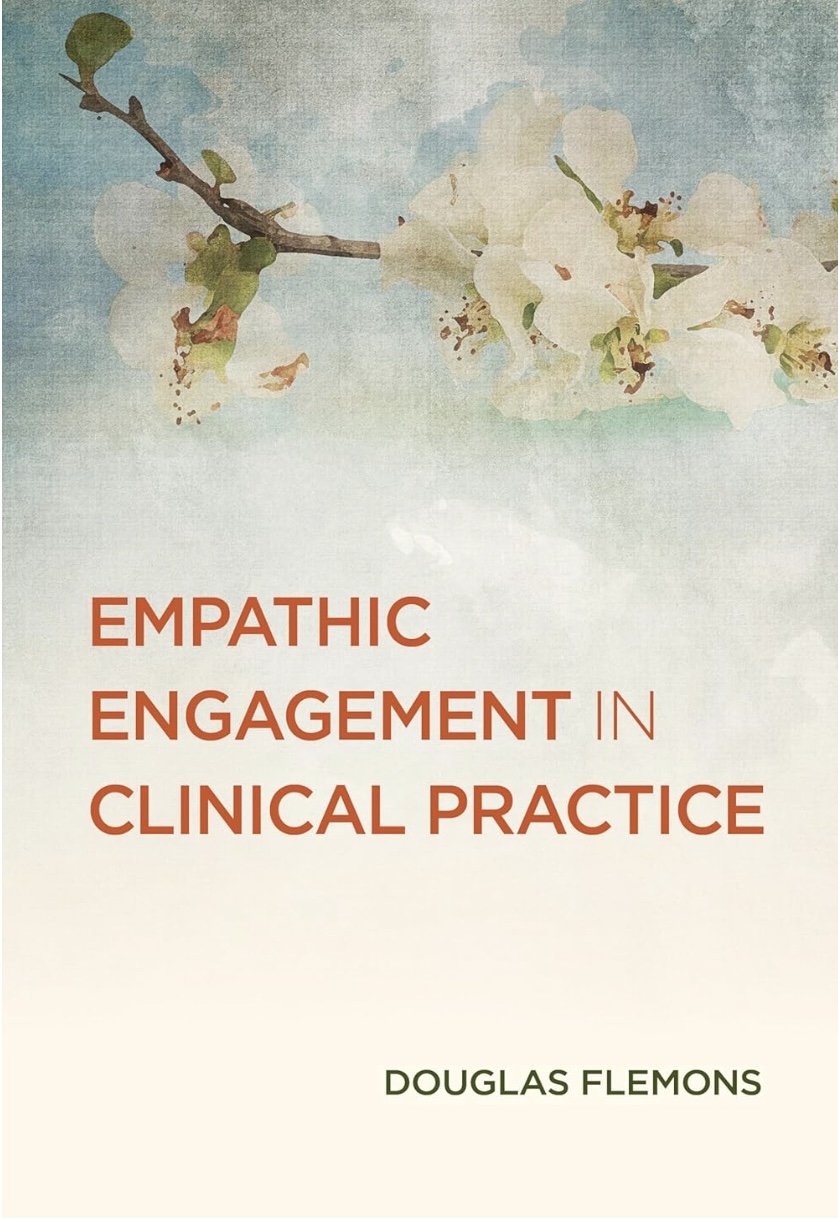
This essential guide for helping professionals offers an insightful, conversational approach to mastering empathic communication with clients. Douglas Flemons invites readers to join him in a dialogue that incorporates voices from multiple disciplines, including clinical research and practice, philosophy (both Eastern and Western), neuroscience, and the arts. He explains what empathy is and offers guidelines for how to make sense of the client’s thoughts, feelings, and choices from inside their worldview. He also shows how the clinician, with compassion, curiosity, and an empathic imagination, can create a heartfelt connection that allows the client to feel respected and understood and that opens the way for collaboration and therapeutic change. Innovative strategies for therapist self-care are also thoroughly explored. Practitioners learn how to effectively engage in and safely disengage from close empathic relationships, even with clients who are deeply suffering or who present complex emotional challenges.
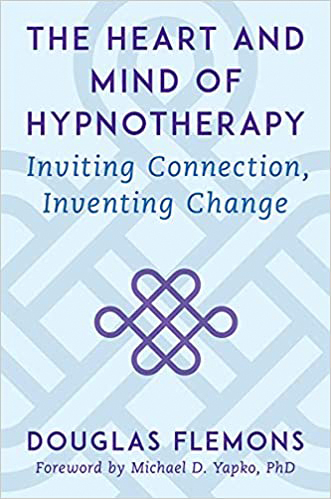
In the popular imagination, hypnosis is misconstrued as something done to people, as if the hypnotist hypnotizes them. And hypnotherapy is similarly misconceived as something done to clients’ problems, as if the therapist could unilaterally counter or cure them. In a refreshing departure from conception-as-usual, Douglas Flemons offers another view, articulating relational ideas about how minds and bodies communicate and learn, and then describing and showing how hypnotherapists are able to invite alterations in, and dissolutions of, seemingly intractable problems.

In this book, Drs. Douglas Flemons and Leonard M. Gralnik, a family therapist and a psychiatrist, team up to provide a comprehensive relational approach to suicide assessment. The authors offer a Risk and Resource Interview Guide as a means of organizing assessment conversations with suicidal clients. Drawing on an extensive research literature, as well as their combined 50+ years of clinical experience, the authors distill relevant topics of inquiry arrayed within four domains of suicidal experience: disruptions and demands, suffering, troubling behaviors, and desperation.

Quickies demonstrates that the best sex therapy is often the briefest, presenting readers with a refreshing array of time-efficient, client-focused approaches to sexual problems. The third edition includes new chapters on the impact of the Internet in relationships, infidelity, and same-sex and transgender affirming therapy.
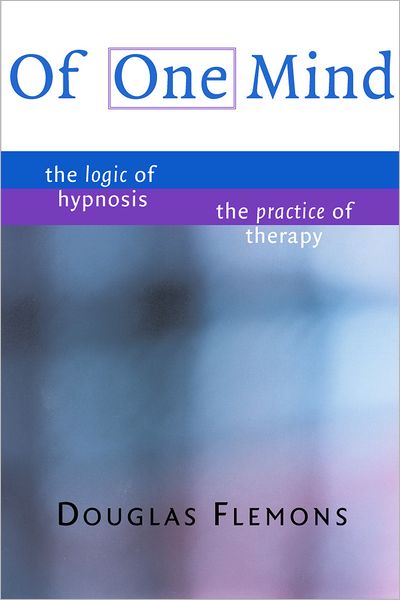
Jay Haley once said, ‘The only reasonable excuse for adding another theory of hypnosis to the many that have been proposed is an entirely new approach to the problem.’ In Of One Mind, Douglas Flemons demonstrates that he has an eminently reasonable excuse. With the casual grace of an entrancing storyteller and the dry humor of an experienced therapist and teacher, he recasts the theory of hypnosis within a relational understanding of language, self, and mind. He then transports his ideas to the worlds of clinical hypnosis and brief therapy, offering fresh insights about how to connect with clients and help them change.
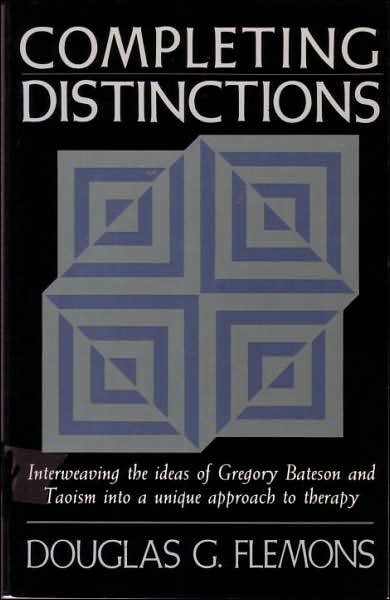
Completing Distinctions develops a new way of thinking about the connection between problems and solutions for family and systems therapists. Flemons suggests that addiction and other social and ecological dilemmas stem from the belief that distinctions such as hate and love, sickness and health, or problem and solution are irreconcilable oppositions. Flemons shows how such separations can be connected so that healing—a quality of wholeness—can be facilitated in individuals, families, organizations, and ecologies. Written in a playful style, the book includes short client-therapist dialogues that illustrate the author's approach.
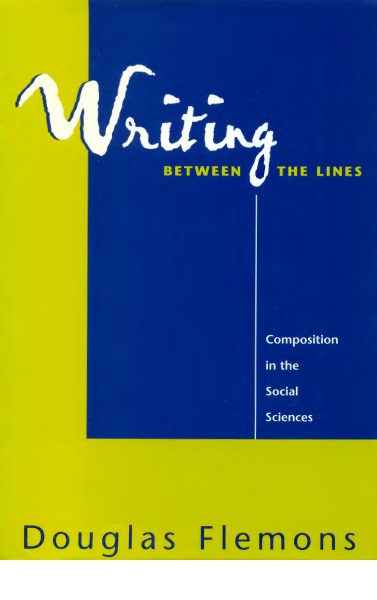
With friendly irreverence, Douglas Flemons demystifies the creative and scholarly demands of social science writing. Taking readers behind the scenes of the compositional process, he offers numerous suggestions for how to create and edit papers, theses, and dissertations. Flemons contends that fluency in grammarianese is not a prerequisite for writers who wish to improve their craft. Accordingly, he offers a comprehensive, non-technical explanation and demonstration of how each sentence tells a story and how punctuation marks and "guiding words" keep readers oriented to the story's unfolding. He then illuminates how to keep your tenses straight and how to streamline your idea development within and between paragraphs. This book is now out of print, so when you click on the "Buy Now" button, you will be taken to a pdf of the manuscript, which you can download for free.